
£2m council plan to cut energy bills and carbon goes to Cabinet
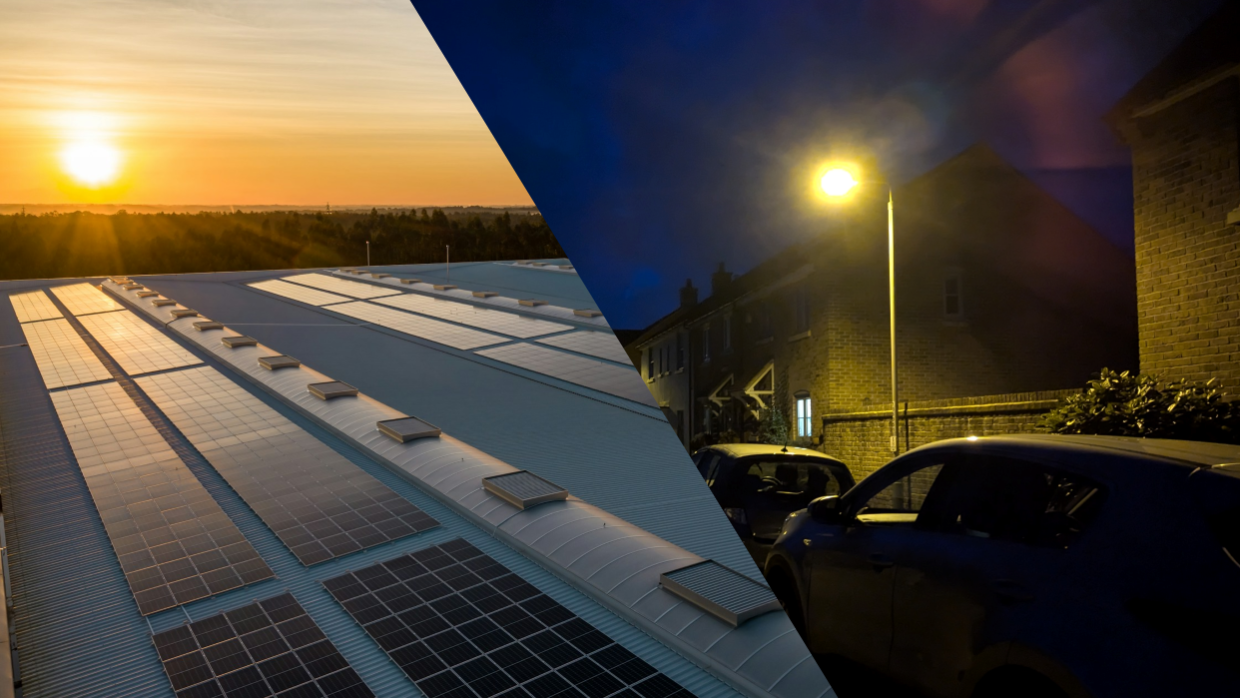
Dorset Council will consider a £2m investment this month to lower its energy bills and reduce carbon.
Cabinet will be asked to approve £1.3m to speed up replacing older streetlights with LED units, and £700k for the next phase of solar panels on council buildings.
The aim is clear: spend less on energy, make our lighting more reliable, and cut emissions.
The council set aside £10m in 2022/23 for climate and ecology projects through to 2027. About £6m has already been invested in energy efficiency, Electric Vehicle (EV) charging, and earlier phases of solar and lighting.
Around £4m remains, with two items over £500k now coming forward for decision. Smaller projects (under £500k) will continue in parallel.
What this delivers
- Street lighting that costs less to run: replacing up to 4,000 older lanterns in 2026-2027 is expected to save around 425,000 kWh and £115,000 a year. That’s roughly the annual electricity used by about 160 typical homes. It also swaps out hard‑to‑replace lamp types and reduces the risk of lights going out when the current street lighting contract ends in 2032. Around £412K of savings have already been identified in the 2026/27 budget proposals, made through a reduction in street lighting costs. Street lighting is about 8% of the council’s own emissions.
- Clean power from our rooftops: the next phase of solar on council buildings forms part of a wider programme of about 2.25 MW of panels - roughly equal to 640 typical home systems. The council’s £700k share is expected to save around 330,000 kWh and £70,000 a year - about the annual electricity used by around 120 typical homes - with potential extra income from exported electricity.
- Lower emissions: the LED work is estimated to cut around 82 tonnes of CO₂ a year, and the solar phase around 64 tonnes a year (proportional to the wider solar programme).
What this means for residents
- Lower energy bills mean more council tax goes into essential services, not energy costs.
- LED upgrades will follow the Council’s new street lighting policy (adopted September 2025), which is designed to reduce light pollution and protect biodiversity while keeping streets appropriately lit and safe.
- Replacing end‑of‑life lamps now reduces the chance of streetlights failing later, especially after 2032.
Cllr Nick Ireland, Leader of Dorset Council and Cabinet Member for Climate, said:
“This is good housekeeping. We’re cutting our energy bills, reducing future maintenance risk, and shrinking our carbon footprint at the same time. Investing now in LEDs and solar lowers our running costs for years to come - money we can keep focused on essential services - and helps us deliver reliable, modern services across Dorset.”
If approved, senior officers will be able to sign off smaller items within the remaining climate budget so work can continue quickly on energy‑saving projects, EV infrastructure on council assets, smaller solar upgrades, and local low‑carbon grants.
Comments
0 Comments