
Historic farmhouse transforms lives for 18–25-year-olds at risk of homelessness
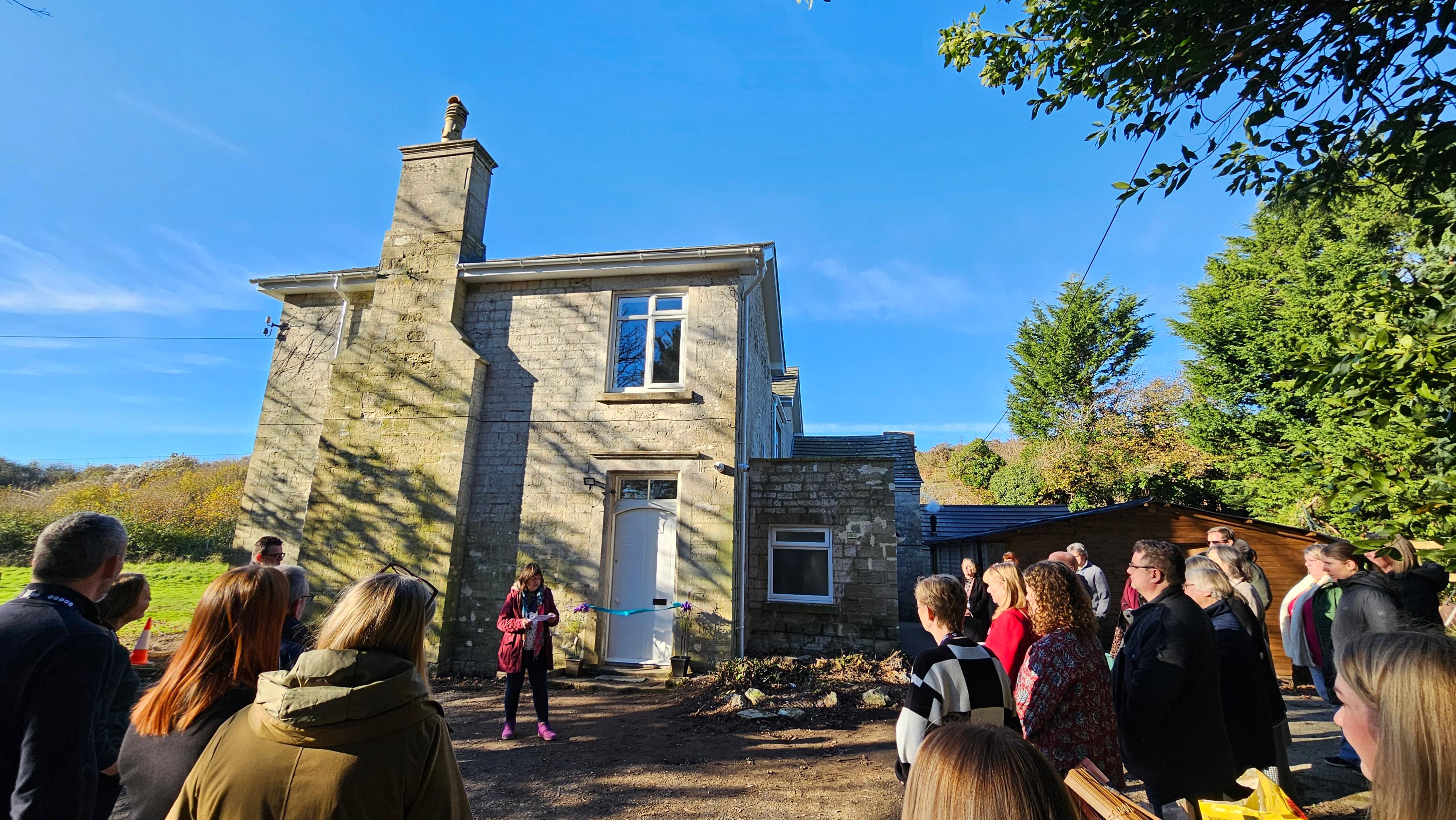
The first 24/7 supported living scheme for 18-25-year-olds who are at risk of becoming homeless, has officially opened in rural Dorset: in partnership with new provider, Salvation Army Homes.
West Farm is a six-bed temporary accommodation site, which will provide a stable and safe environment for young adults, so they can learn how to manage a home and new skills, which will benefit them long-term.
Two additional flats near to West Farm have been purchased by the Council, to enable tenants to work with Salvation Army Homes, so they can start a new chapter of their lives.
West Farm is a financial collaboration between Dorset Council, the Ministry of Housing, Communities and Local Government (MHCLG) and Homes England.
Dorset Council Portfolio holder for Housing and Health, Councillor Gill Taylor, said: “Eight young people are being given the opportunity to rewrite their future because of this scheme coming to fruition.
“This project has come alive due to financial investment, plus of course the passion and vision from our Housing service to deliver more new accommodation to prevent homelessness.
“We are very much looking forward to working with Salvation Army Homes, who have lots of great ideas on utilising the beautiful setting to its maximum potential and engaging with our young people. We welcome them to the south coast.”
Head of Supported Housing at Salvation Army Homes, Gill Cook, added: “We’re so excited to be delivering this service at West Farm. Every young person deserves a safe home and the chance to thrive. This scheme is more than just housing; it’s about giving young people the support and encouragement to believe in themselves.”
Guests explored the property during the open day and helped mark the occasion by adding messages to a time capsule. Residents will reopen it in future years as a reminder of how the service began.
West Farm was built on land owned by Dr John Caius, the second founder of Gonville and Caius College at Cambridge University. He bought the land in 1570 from the Earl of Dorset.
Dorset Council purchased the property from the university and have since renovated it to provide homes for local young adults.
The site has under an acre of land and several outbuildings – providing a unique and calm setting for tenants to learn vital life skills and gain self-confidence.
Renovation work started in March last year. The building has undergone a significant transformation, with the addition of solar panels on the new roof and freshly decorated bedrooms and shared communal areas.
Homes England’s Shahi Islam, Director for Affordable Housing Grants, said: “As the Government’s housing and regeneration agency, increasing the supply of quality affordable homes remains one of our key objectives and we are committed to supporting Dorset Council to achieve its ambitions.
“The completion of this supported living scheme is a fantastic achievement, and it will make a real difference to people’s lives. West Farm is a prime example of how we are working collaboratively with partners to achieve our mission to build much-needed homes that people can be proud of.”
Local bats have also been allocated space to roost, following a bat survey which identified three species roosted in the vicinity; although none of which were nesting on council grounds.
Retail giant, Ikea, has donated £1,000 of kitchen equipment and supported the council’s SHAP team with designs and costing out the renovation, following a successful bid to their community fund application.
Ikea were asked to use a nationally recognised trauma-informed colour palette when designing rooms for the new tenants, which aims to keep residents calm and relaxed.
West Farm is the final Single Homelessness Accommodation Programme (SHAP) temporary accommodation scheme to go live this year, following the success of the Bus Shelter Phase 2 and Haven.
A brief history of West Farm
Doomsday Book records date the site of West Farm back to the time when King Harold was Earl of Wessex (1066).
The Council bought the site from the university, which still owns surrounding farmland.
Documents which are kept at the Dorset History Centre, shows West Farm was originally part of a large estate which was rented out to farmers and had multiple outbuildings.
In 1844, the tenants of the site submitted plans to build a house on the land, which is what still stands today as West Farm.
The last tenant turned one outbuilding into a ballroom, so he and his wife could dance at their leisure!
Categories: Housing Services
Comments
0 Comments